Peptide Research Guide — Learn About Peptides
Your complete peptide research guide for Canadian researchers. This peptide research guide covers published literature, comparison tables, and practical handling notes. No marketing copy, no protocol prescriptions — we leave therapeutic guidance to people with prescribing authority.
BPC-157: Benefits, Research, and Usage Guide for Canadian Researchers
The pentadecapeptide derived from gastric protective protein that dominates tissue-repair literature. Mechanism, animal models, what the human evidence does and doesn't show, handling and storage notes for lyophilized reference standards.
GLP-1 / GIPGLP-1 Peptides Compared: Semaglutide vs. Tirzepatide vs. Retatrutide
Three incretin-based reference standards, apples-to-apples. Receptor selectivity, clinical-trial weight-loss magnitudes, half-life and dosing cadence differences, and why the dual- and triple-agonist variants matter for mechanistic research.
Quality assurancePeptide Research Guide: Purity Testing — How It Works and Why It Matters
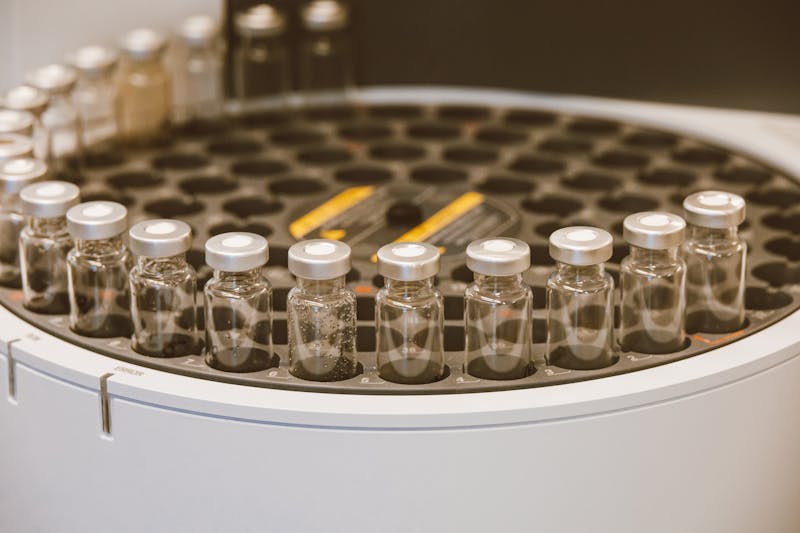
HPLC principles, mass-spectrometry identity confirmation, what a legitimate Certificate of Analysis actually contains, and how to read one without getting misled by a single purity number.
HandlingPeptide Storage Guide: Handling, Reconstitution, Storage, and Shelf Life
Lyophilized shelf life at -20°C vs. 4°C, reconstitution with bacteriostatic water, freeze-thaw cycle damage, light sensitivity, and what degrades the molecule versus what preserves it.
For peer-reviewed research on peptides, visit PubMed. This peptide research guide is maintained by AminoPeptides, Canada’s trusted peptide supplier. See our reconstitution calculator and dosage calculator for hands-on tools.