Anti-Aging
Lead
Anti-aging peptides represent one of the most actively investigated classes in modern longevity science. This category gathers the compounds Canadian researchers most often request when modelling skin remodelling, telomere dynamics, mitochondrial efficiency, oxidative stress, and pineal-axis regulation. Every peptide listed here is shipped from a Canadian fulfillment facility, lyophilized under sterile conditions, and accompanied by a third-party Certificate of Analysis. The category is intentionally narrow — five molecules with the deepest published literature on cellular aging and tissue regeneration.
Mechanism Overview
Aging is not a single biological event; it is the convergence of telomere attrition, mitochondrial dysfunction, proteostasis failure, stem-cell exhaustion, and altered intercellular communication. The peptides in this category intervene at distinct nodes of that cascade.
GHK-Cu (glycyl-L-histidyl-L-lysine bound to copper II) acts as a transcriptional modulator, shifting expression of more than 4,000 genes toward a younger profile in fibroblast assays (Pickart & Margolina, 2018, Int J Mol Sci). Its copper-binding moiety supports lysyl oxidase activity, which crosslinks collagen and elastin during dermal matrix repair.
Epitalon (Ala-Glu-Asp-Gly), originally synthesized at the St. Petersburg Institute of Bioregulation, is hypothesized to upregulate telomerase reverse transcriptase (TERT) expression, a finding repeatedly observed in Khavinson’s somatic-cell models.
SS-31 (elamipretide) selectively binds cardiolipin on the inner mitochondrial membrane, stabilizing electron-transport-chain efficiency and reducing reactive oxygen species production — a mechanism documented across multiple Szeto-Schiller publications.
Glutathione, the endogenous tripeptide γ-Glu-Cys-Gly, is the principal intracellular redox buffer; exogenous administration is studied as a model for restoring depleted hepatic and neuronal antioxidant capacity.
Pinealon (Glu-Asp-Arg) crosses the blood-brain barrier in rodent models and is studied for its role in modulating neuronal apoptosis under oxidative stress.
Featured Products
GHK-Cu (50 mg) — Copper tripeptide investigated for fibroblast activation, dermal collagen synthesis, and wound-healing kinetics. Reconstitution typically targets 1–2 mg/mL in bacteriostatic water for in-vitro and topical research models.
Epitalon (10 mg / 50 mg) — Synthetic tetrapeptide bioregulator studied in telomerase-induction and circadian-axis research. Common research dosing is 5–10 mg per reconstituted vial.
SS-31 / Elamipretide (10 mg) — Mitochondria-targeted tetrapeptide used in cardiolipin-stabilization and ATP-output assays. Lyophilized vials reconstitute cleanly at 1 mg/mL.
Glutathione (600 mg) — Reduced-form tripeptide used as an intracellular redox-buffer reference compound across hepatic, neuronal, and dermal cell-line research.
Pinealon (20 mg) — Tripeptide bioregulator studied for neuroprotective signalling under oxidative-stress models. Frequently paired with Epitalon in pineal-axis research stacks.
Research Applications
Investigators working in this category typically explore questions such as: how does copper-peptide signalling alter the expression profile of aged human dermal fibroblasts; can pulsed Epitalon administration meaningfully shift telomere length distribution in cultured lymphocytes; does SS-31 restore oxidative phosphorylation efficiency in mitochondria isolated from aged cardiomyocytes; what is the dose–response curve for glutathione replenishment under acetaminophen-induced hepatocyte stress; and how do short bioregulator peptides such as Pinealon influence neuronal survival in glutamate-excitotoxicity models. Researchers also use this class for comparative work — measuring outcomes against rapamycin, NAD⁺ precursors, or senolytic small molecules — to position peptide-based interventions within the broader longevity toolkit.
Safety & Handling
All anti-aging peptides ship lyophilized and must be reconstituted with bacteriostatic water (0.9% benzyl alcohol) using sterile technique. After reconstitution, store between 2–8 °C and use within 28 days; unreconstituted vials remain stable at –20 °C for 24+ months. GHK-Cu is light-sensitive — store amber vials away from direct light. Always use a fresh, sterile syringe per draw, and document lot numbers against your COA. These compounds are sold strictly for in-vitro and laboratory research; they are not intended for human or veterinary administration.
FAQ
How do copper peptides like GHK-Cu support skin-repair research? GHK-Cu’s copper-binding domain catalyzes lysyl oxidase activity, which crosslinks newly synthesized collagen and elastin. In fibroblast studies it also upregulates decorin and downregulates TGF-β1 — a profile associated with scarless remodelling rather than fibrotic scarring.
Is Epitalon the same as Epithalamin? No. Epithalamin is a polypeptide extract from bovine pineal tissue; Epitalon is the synthetic tetrapeptide (Ala-Glu-Asp-Gly) derived from sequencing that extract. Modern research overwhelmingly uses the synthetic form for purity control.
What makes SS-31 different from generic antioxidants? SS-31 is targeted — it concentrates roughly 1,000-fold on the inner mitochondrial membrane via cardiolipin binding. Most oral antioxidants never reach the matrix in meaningful concentrations.
Can Glutathione be combined with NAC in research models? Yes — NAC is a cysteine donor that supports endogenous glutathione synthesis, while exogenous reduced glutathione directly replenishes the pool. The combination is common in hepatoprotection assays.
How is Pinealon different from Epitalon? Both are short bioregulator peptides from the Khavinson school, but Pinealon (Glu-Asp-Arg) is studied primarily for neuroprotection, while Epitalon (Ala-Glu-Asp-Gly) is studied for telomere and pineal-axis effects.
Do you ship anti-aging peptides across Canada? Yes — all orders ship from a Canadian facility via tracked Canada Post or courier, typically arriving in 2–5 business days nationwide.
Compliance
For laboratory research purposes only — not for human consumption. Not approved by Health Canada for therapeutic use.
Internal Links Plan
- /products/ghk-cu-50mg → product page
- /products/epitalon-50mg → product page
- /products/ss-31-10mg → product page
- /products/glutathione-600mg → product page
- /products/pinealon-20mg → product page
- /category/learning-hub/peptide-reconstitution-guide → learning hub
- /category/learning-hub/bacteriostatic-water-explained → learning hub
- /categories/cognitive-peptides → cross-category (Pinealon overlap)
Showing all 13 results
-
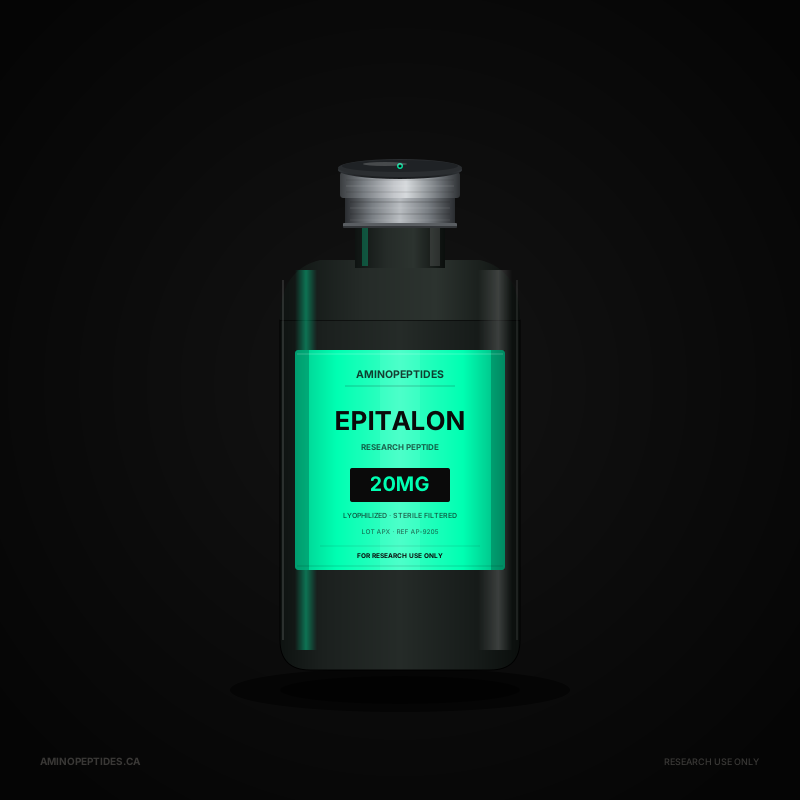
Epitalon 20 mg
$54.99 Add to cart -
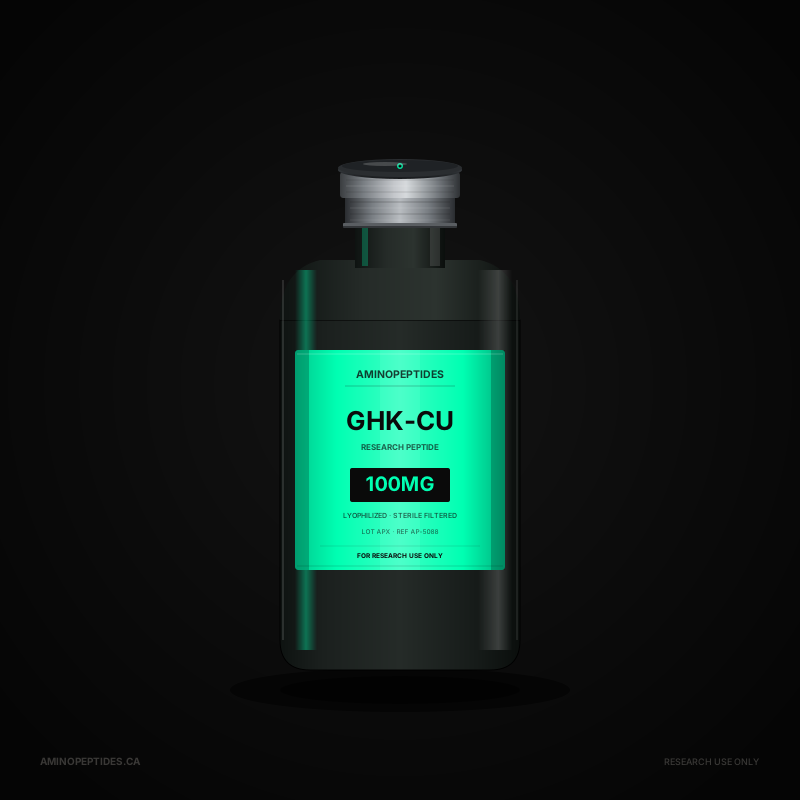
GHK-Cu 100 mg
$69.99 Add to cart -
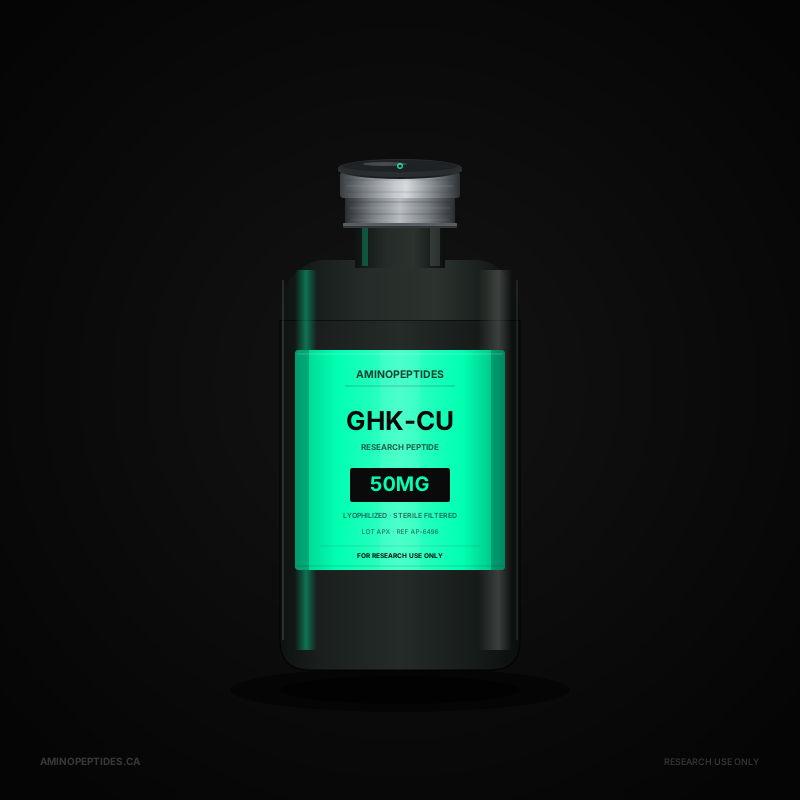
GHK-Cu 50 mg
$49.99 Add to cart -
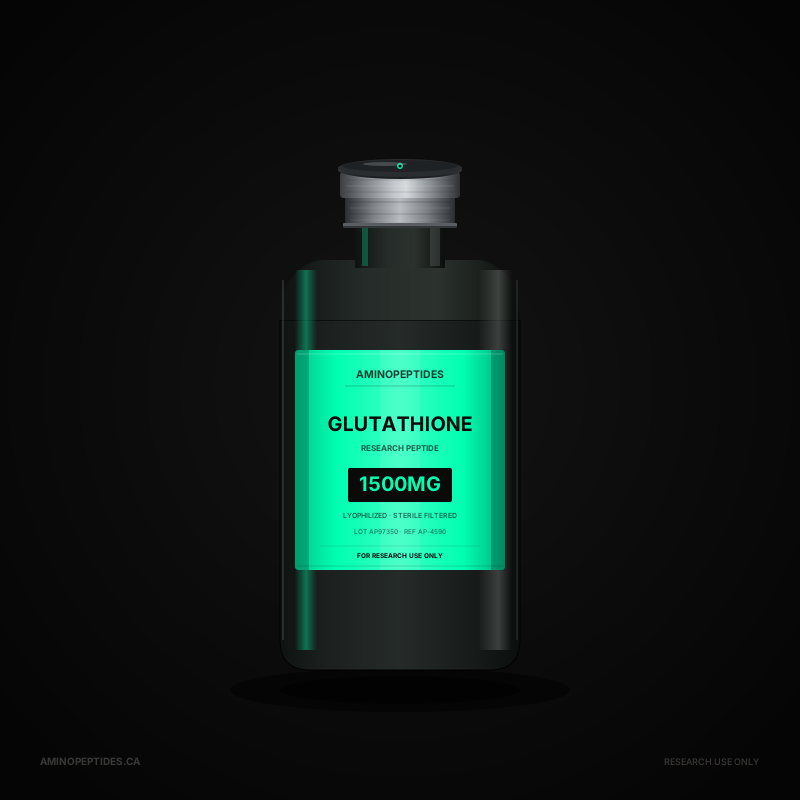
Glutathione 1500 mg
$149.99 Add to cart -

Humanin 10 mg
$99.99 Add to cart -
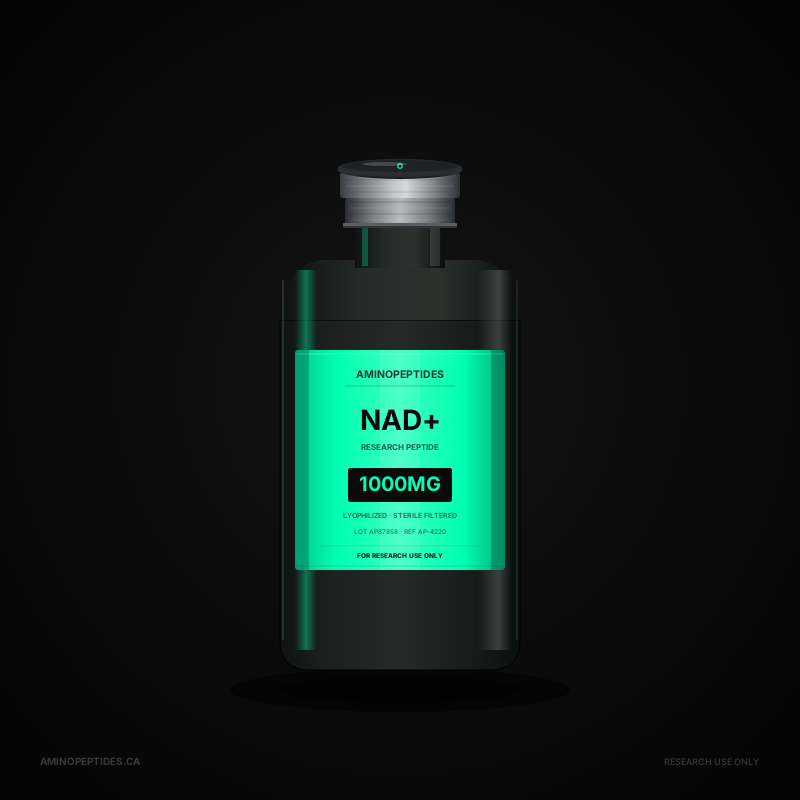
NAD+ 1000 mg
$189.99 Add to cart -
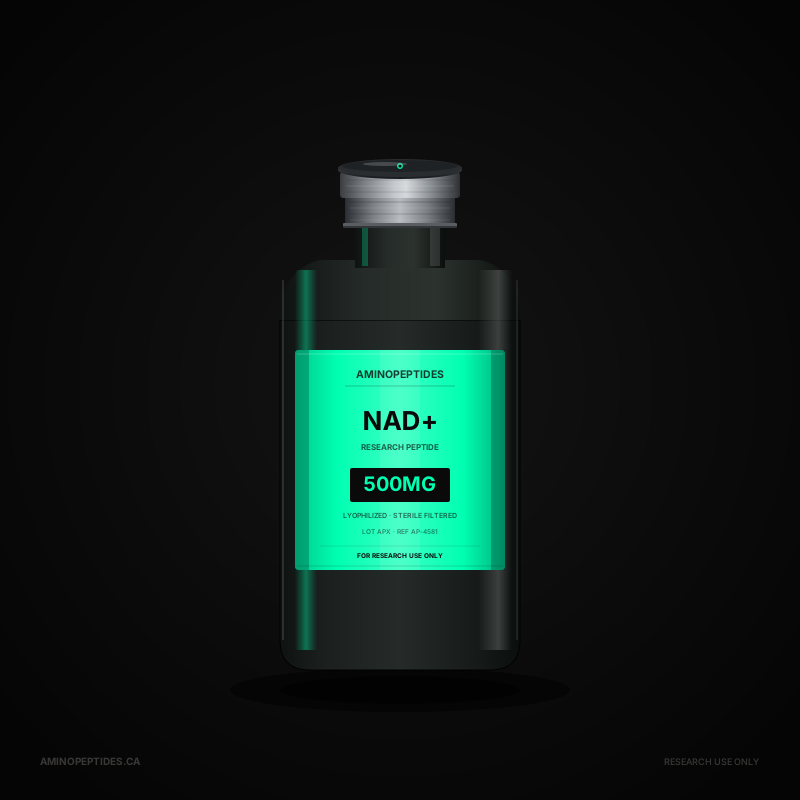
NAD+ 500 mg
$129.99 Add to cart -
Oxytocin 5 mg
$69.99 Add to cart -
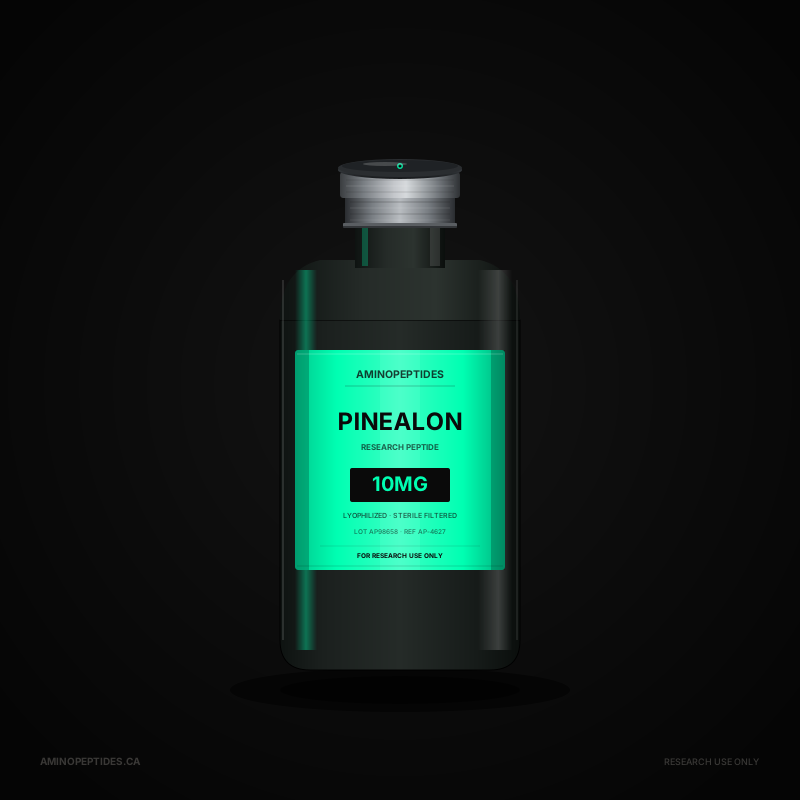
Pinealon 10 mg
$39.99 Add to cart -
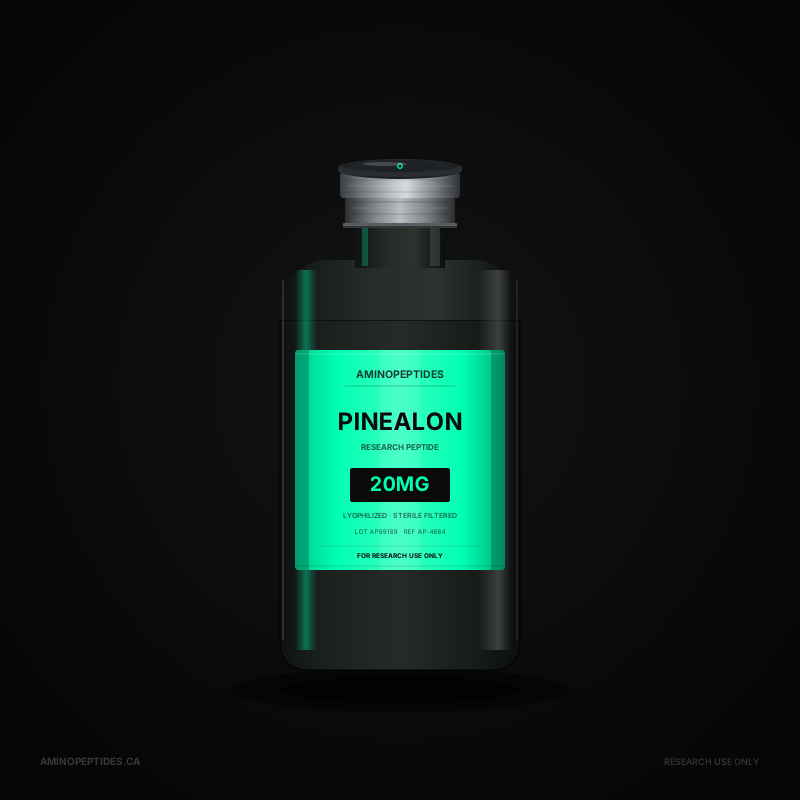
Pinealon 20 mg
$59.99 Add to cart -
Sermorelin 5 mg
$79.99 Add to cart -
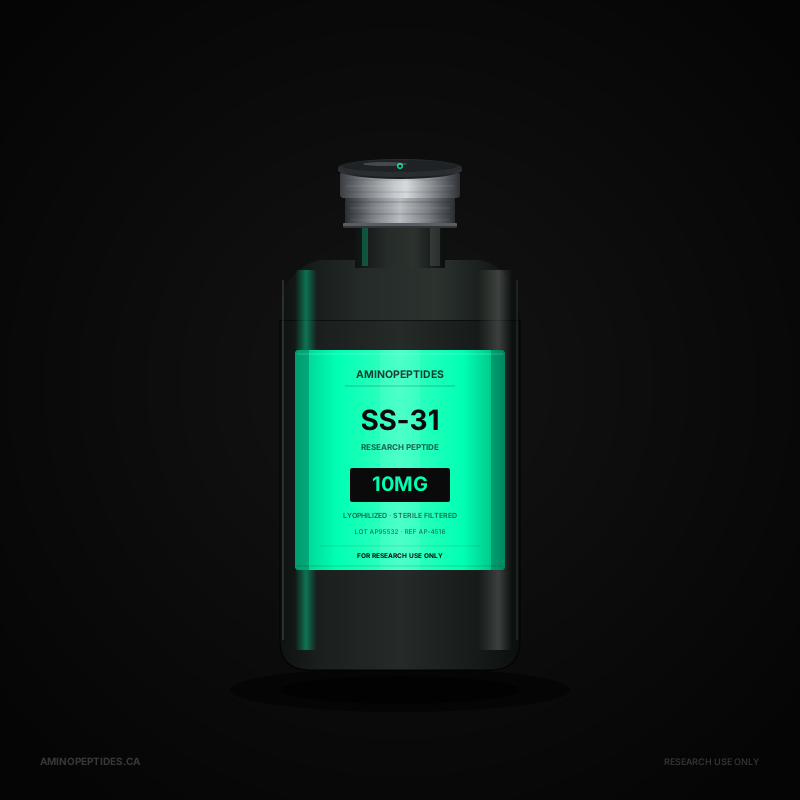
SS-31 (Elamipretide) 10 mg
$79.99 Add to cart -
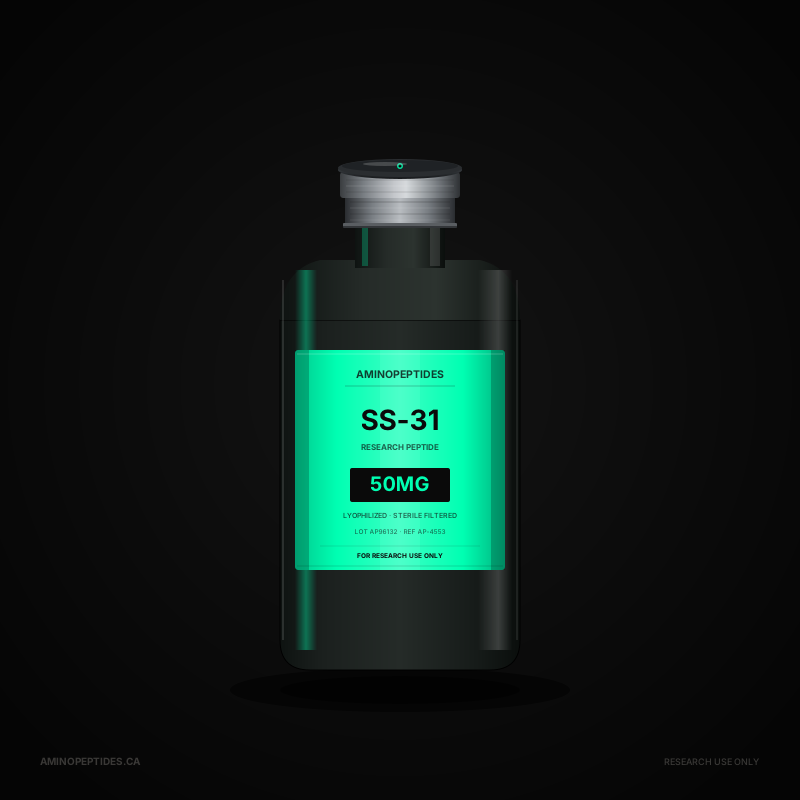
SS-31 (Elamipretide) 50 mg
$179.99 Add to cart