Weight Loss
Lead
The weight-loss category is the fastest-moving area of peptide research in 2026. It includes the incretin-class molecules (Semaglutide, Tirzepatide, Retatrutide) that have redefined obesity pharmacology, alongside complementary compounds for visceral-fat reduction (Tesamorelin), lipolytic fragment work (AOD-9604), and emerging metabolic targets (5-Amino-1MQ, SLU-PP-332). Every vial ships lyophilized from a Canadian fulfillment facility with a third-party Certificate of Analysis. Researchers reach for this category to model glucose-insulin dynamics, appetite signalling, adipocyte metabolism, and energy-expenditure pathways.
Mechanism Overview
Body-weight regulation is governed by overlapping incretin, growth-hormone, and mitochondrial signalling networks. The peptides in this category target each.
Semaglutide is a GLP-1 receptor agonist with a fatty-acid sidechain that binds albumin, extending half-life to roughly one week. GLP-1 agonism slows gastric emptying, augments glucose-dependent insulin secretion, and reduces hypothalamic appetite drive (Drucker, 2018, Cell Metab).
Tirzepatide adds GIP-receptor agonism to GLP-1 activity — the dual-incretin profile produces greater weight reduction in published clinical trials than GLP-1 monotherapy (SURPASS and SURMOUNT trial programs).
Retatrutide pushes the concept further with triple agonism: GLP-1, GIP, and glucagon receptors. Glucagon-receptor activation drives hepatic energy expenditure and fatty-acid oxidation, complementing the appetite suppression from GLP-1/GIP.
Tesamorelin is a stabilized GHRH analogue (Trans-3-hexenoyl-hGRF1-44) that restores pulsatile GH release, with the strongest published data on visceral-adipose-tissue reduction.
AOD-9604 is the C-terminal 176–191 fragment of human growth hormone, retaining the lipolytic signalling without the glucose-handling effects of full-length GH.
5-Amino-1MQ is a small-molecule inhibitor of NNMT (nicotinamide N-methyltransferase), an enzyme that drains methyl-donor pools and reduces NAD⁺ availability in adipocytes; inhibition is studied for adipocyte-energy-expenditure effects.
SLU-PP-332 is an ERR (estrogen-related receptor) pan-agonist studied for skeletal-muscle oxidative-capacity and exercise-mimetic signalling.
Featured Products
Semaglutide (5 mg / 10 mg) — GLP-1 receptor agonist with albumin-binding sidechain for extended half-life. Used in glucose-tolerance and appetite-signalling research at 0.25–2.4 mg/week dosing equivalents.
Tirzepatide (10 mg / 15 mg) — Dual GIP/GLP-1 receptor agonist studied for synergistic incretin signalling and superior weight-reduction profiles in obesity research models.
Retatrutide (10 mg) — Triple agonist (GLP-1/GIP/glucagon) representing the current frontier of incretin pharmacology research.
AOD-9604 (5 mg) — hGH 176–191 fragment used in lipolysis-pathway research; reconstitutes cleanly at 1 mg/mL.
Tesamorelin (10 mg) — Stabilized GHRH analogue with the deepest published literature on visceral-adipose-tissue reduction and lipodystrophy research.
5-Amino-1MQ (50 mg) — Small-molecule NNMT inhibitor studied for adipocyte methyl-donor preservation and energy-expenditure endpoints.
SLU-PP-332 (10 mg) — Pan-ERR agonist used in exercise-mimetic and mitochondrial-biogenesis research models.
Research Applications
This category supports questions such as: how do dual- and triple-incretin agonists compare on glucose-insulin clamp endpoints versus GLP-1 monotherapy; what is the dose–response curve for Tesamorelin on visceral-fat reduction in lipodystrophy models; does AOD-9604 produce measurable lipolysis without altering IGF-1 in fat-cell cultures; can NNMT inhibition with 5-Amino-1MQ restore NAD⁺ pools in aged adipocytes; and how does SLU-PP-332 alter mitochondrial biogenesis markers in skeletal-muscle cell lines. Comparative pharmacokinetic profiling — tracking onset, duration, and receptor desensitization — is also common across the incretin family.
Safety & Handling
Reconstitute Semaglutide, Tirzepatide, and Retatrutide with bacteriostatic water; gentle swirling only — never shake (these are large peptides prone to denaturation). Refrigerate reconstituted solutions at 2–8 °C; incretins remain stable for 28+ days when properly stored. Tesamorelin requires immediate refrigeration after reconstitution and is sensitive to thermal cycling. 5-Amino-1MQ is stable at room temperature in lyophilized form. All compounds in this category are sold for in-vitro and laboratory research only; they are not intended for human or veterinary use.
FAQ
What’s the difference between Semaglutide and Tirzepatide? Semaglutide is a single-receptor GLP-1 agonist; Tirzepatide is a dual GIP/GLP-1 agonist. The dual mechanism produces greater weight reduction and improved glucose handling in published clinical research.
How does Retatrutide differ from Tirzepatide? Retatrutide adds glucagon-receptor agonism to the GIP/GLP-1 profile. The glucagon arm drives hepatic energy expenditure, theoretically producing greater weight reduction than dual agonism alone.
Is AOD-9604 still relevant given GLP-1 agonists? Yes for specific research questions — AOD-9604 isolates the lipolytic signalling of hGH without affecting glucose handling or IGF-1, useful when researchers want to interrogate fat-cell metabolism in isolation.
What does Tesamorelin do that other GH secretagogues don’t? Tesamorelin has the deepest published data on visceral-adipose-tissue reduction specifically — it remains the reference compound for VAT-focused research models.
Is 5-Amino-1MQ a peptide? No — it’s a small molecule (a methylquinoline) included in this category because it targets the same metabolic pathway space (adipocyte energy regulation) and is commonly stacked with peptide research.
Do you ship incretin peptides across Canada? Yes — all weight-loss peptides ship tracked from within Canada with cold-pack protection during summer months.
Does Tesamorelin affect blood glucose like GLP-1 agonists? Tesamorelin works upstream on the GHRH axis rather than on incretin signalling, so its glucose effects differ — published literature describes small elevations in fasting glucose and IGF-1 alongside the visceral-fat reductions, which is part of why it remains the reference compound for VAT-specific research rather than broad metabolic modelling.
Compliance
For laboratory research purposes only — not for human consumption. Not approved by Health Canada for therapeutic use.
Internal Links Plan
- /products/semaglutide-10mg → product page
- /products/tirzepatide-15mg → product page
- /products/retatrutide-10mg → product page
- /products/tesamorelin-10mg → product page
- /products/aod-9604-5mg → product page
- /products/5-amino-1mq-50mg → product page
- /category/learning-hub/glp1-vs-gip-vs-glucagon → learning hub
- /category/learning-hub/incretin-reconstitution-protocol → learning hub
Showing all 11 results
-
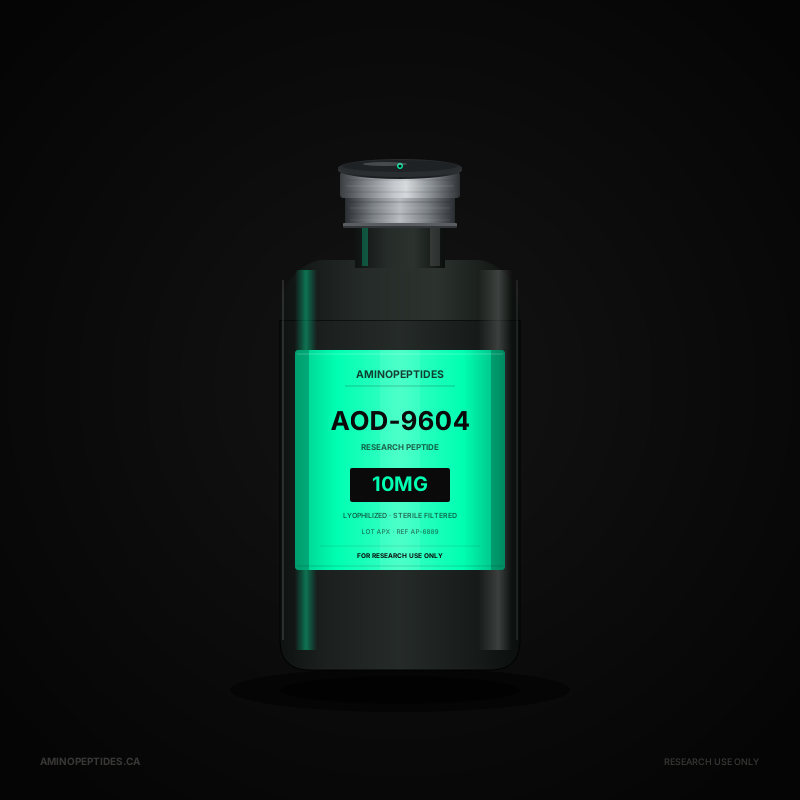
AOD-9604 10 mg
$84.99 Add to cart -
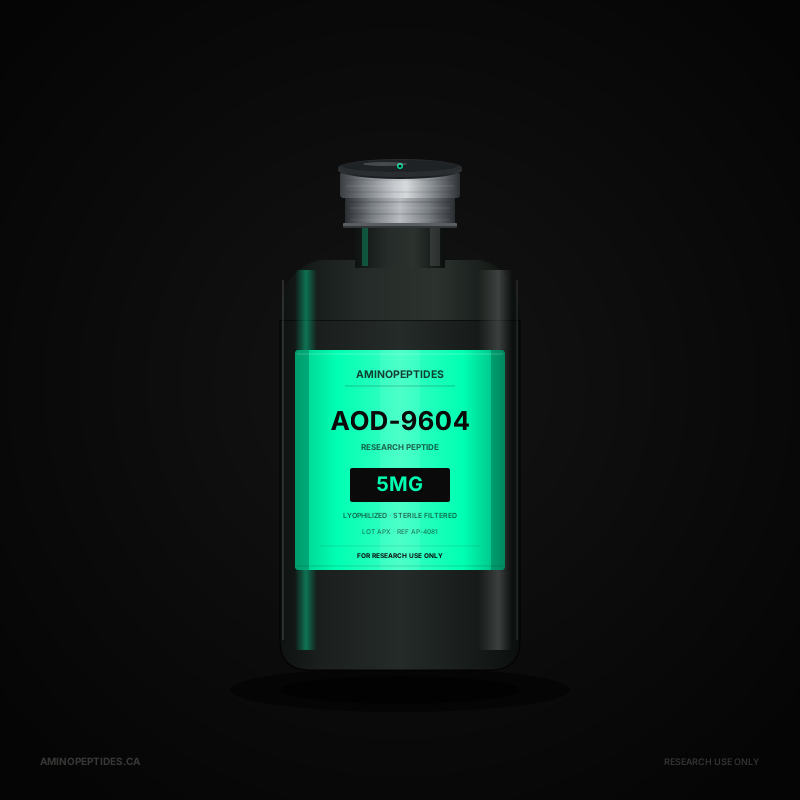
AOD-9604 5 mg
$59.99 Add to cart -

Fragment 176-191 5 mg
$69.99 Add to cart -
GHRP-2 5 mg
$69.99 Add to cart -
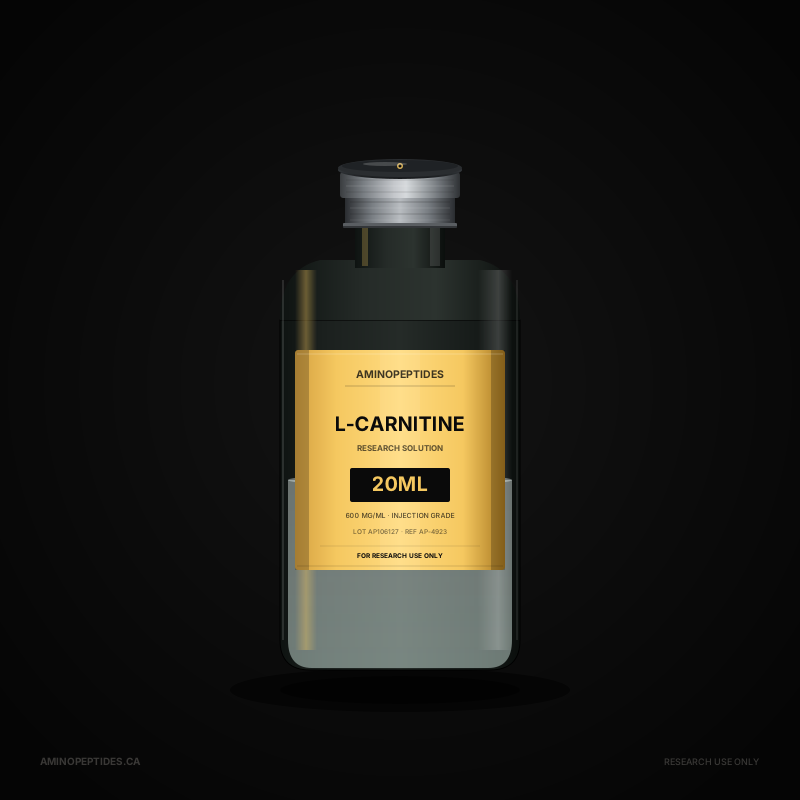
L-Carnitine 20 ml (600 mg/ml)
$119.99 Add to cart -
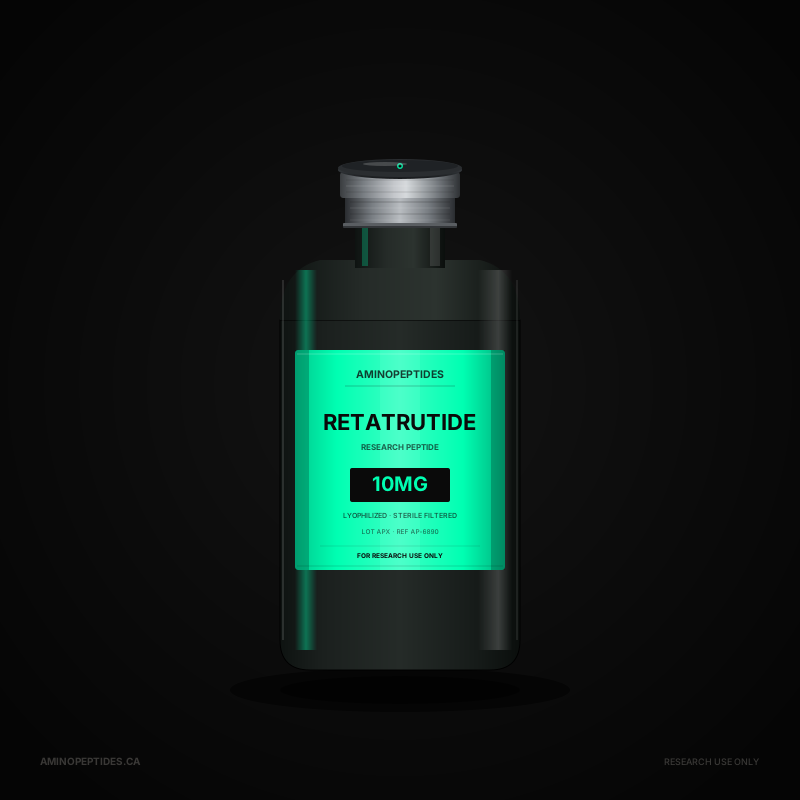
Retatrutide 10 mg
$199.99 Add to cart -
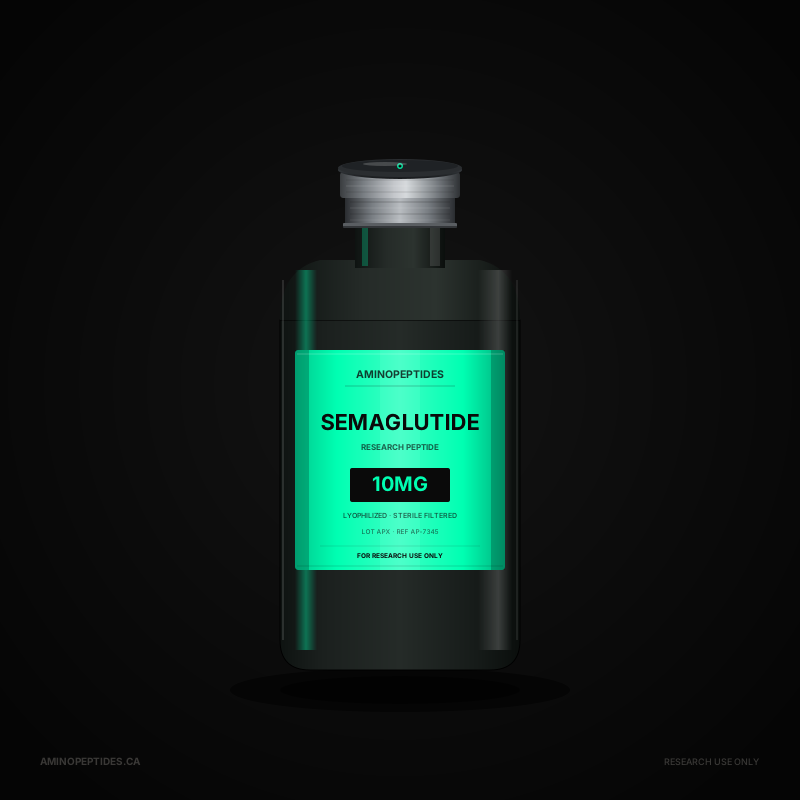
Semaglutide 10 mg
$179.99 Add to cart -

Semaglutide 5 mg
$109.99 Add to cart -
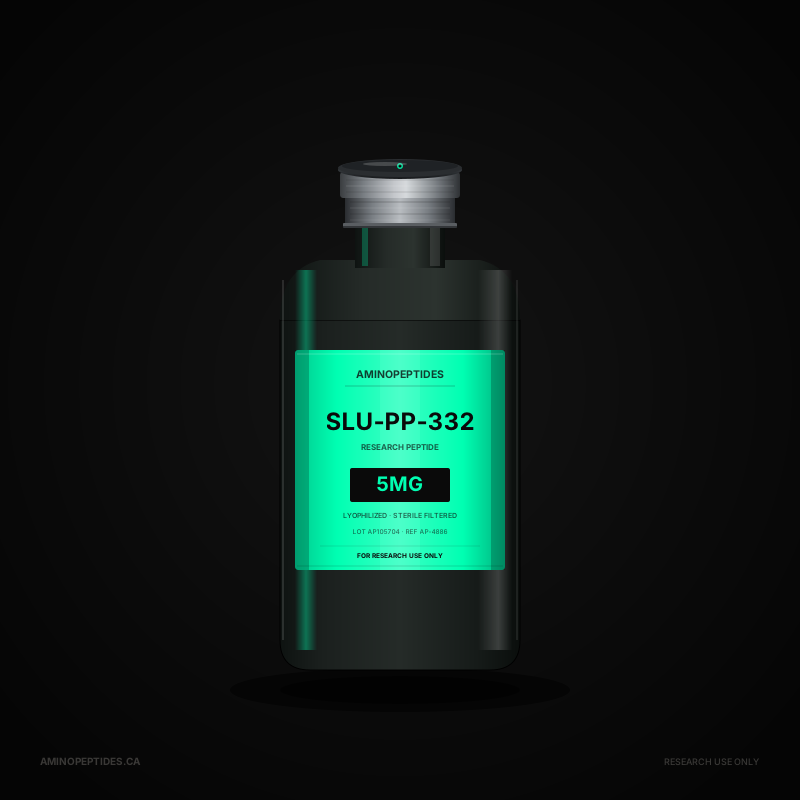
SLU-PP-332 5 mg
$149.99 Add to cart -
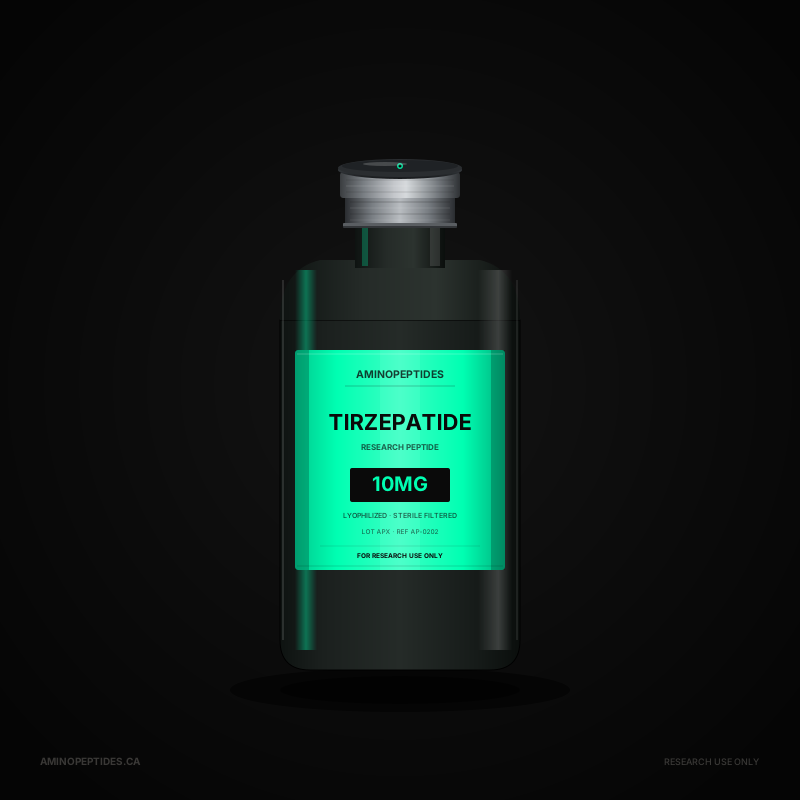
Tirzepatide 10 mg
$159.99 Add to cart -
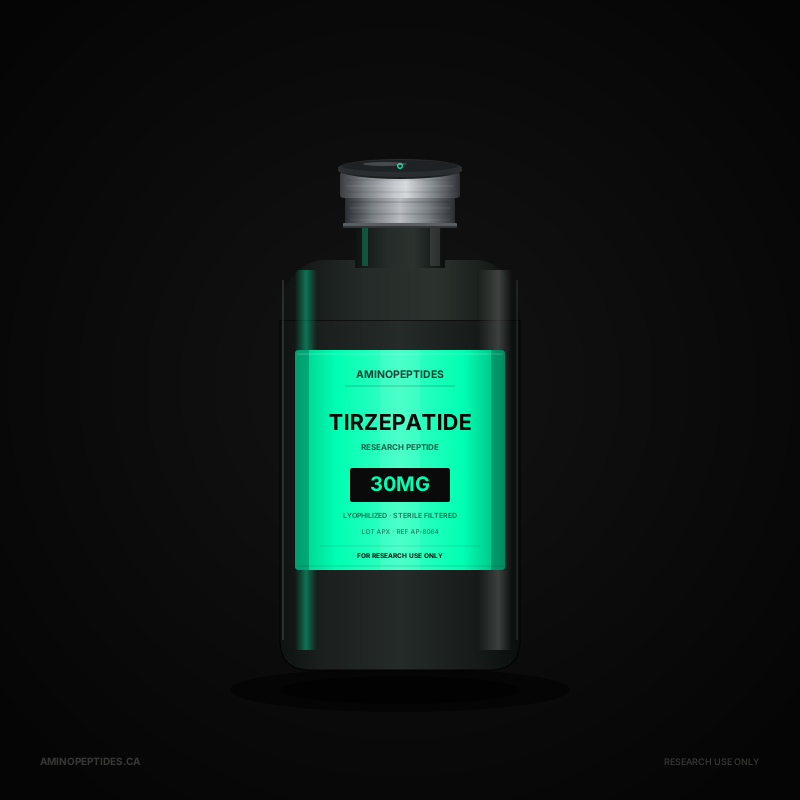
Tirzepatide 30 mg
$349.99 Add to cart