Muscle & Recovery
Lead
The muscle and recovery category covers the peptides most frequently requested in tissue-repair, growth-hormone-axis, and exercise-physiology research. It spans three mechanistic families: cytoprotective body-protection peptides (BPC-157, TB-500), GH-releasing secretagogues (CJC-1295, Ipamorelin, Hexarelin), and direct anabolic signalling molecules (IGF-1 LR3, MOTS-c). Every vial ships lyophilized from a Canadian fulfillment centre with a matching Certificate of Analysis. Researchers use this category to model injury recovery, tendon remodelling, sarcopenia reversal, and pulsatile GH restoration.
Mechanism Overview
Skeletal muscle and connective tissue repair rely on a choreography of growth factors, cytokines, and satellite-cell activation. The peptides here intervene at different points of that choreography.
BPC-157 (Body Protection Compound-157) is a 15-amino-acid fragment derived from a protein in human gastric juice. Pečiulis and Sikirić’s laboratories have published extensively on its angiogenic effects, showing accelerated tendon-to-bone healing, gut-lining restoration, and nitric-oxide-system modulation in rodent models.
TB-500 is a synthetic fragment of Thymosin β4, an actin-sequestering peptide that regulates cytoskeletal dynamics, endothelial-cell migration, and stem-cell recruitment to injury sites.
CJC-1295 and Ipamorelin are complementary GH secretagogues. CJC-1295 is a GHRH analogue that extends the duration of endogenous GH release; Ipamorelin is a selective ghrelin-receptor agonist that triggers a pulsatile, cortisol-sparing GH burst. The combination mimics a physiologic pulse more faithfully than either alone.
Hexarelin is a hexapeptide GHRP with the strongest GH-release profile of the class and additional cardiomyocyte-protective signalling described in several Italian cardiology studies.
MOTS-c is a 16-amino-acid mitochondrial-derived peptide encoded within the 12S rRNA region of mtDNA (Lee et al., 2015, Cell Metab). It regulates AMPK activity and insulin sensitivity in skeletal muscle.
IGF-1 LR3 is a modified insulin-like growth factor-1 variant with extended half-life, used in anabolic-signalling and satellite-cell proliferation research.
Featured Products
BPC-157 (5 mg) — Pentadecapeptide investigated for tendon, ligament, and gastric-mucosa repair. Typical reconstitution is 5 mg in 2–5 mL bacteriostatic water for research dosing precision.
TB-500 / Thymosin β4 Fragment (5 mg / 10 mg) — Actin-binding peptide studied in endothelial migration, cardiac remodelling, and systemic tissue-repair assays.
CJC-1295 + Ipamorelin Blend (5 mg + 5 mg) — Pre-blended dual-secretagogue vial designed for pulsatile GH-release research. Ipamorelin provides the ghrelin-receptor pulse; CJC-1295 extends the GHRH signal.
Hexarelin (5 mg) — Potent hexapeptide GHRP used in GH-release ceiling studies and cardiomyocyte-protection models.
MOTS-c (10 mg) — Mitochondrial-encoded peptide studied for AMPK activation, muscle insulin sensitivity, and metabolic-flexibility endpoints.
IGF-1 LR3 (1 mg) — Long-arginine variant of IGF-1 with reduced binding-protein affinity and extended plasma half-life; used in satellite-cell and hypertrophy-signalling research.
Research Applications
Investigators use this category to interrogate questions such as: does BPC-157 accelerate Achilles-tendon fibroblast migration relative to saline control; what is the dose–response relationship between TB-500 administration and actin-filament reorganization in cardiac-injury models; how does CJC-1295/Ipamorelin co-administration alter IGF-1 amplitude and nadir compared with single-agent dosing; does MOTS-c administration rescue AMPK activity in high-fat-diet-induced insulin resistance; and how does IGF-1 LR3 interact with mTOR signalling in cultured myotubes. The category is also used for comparative pharmacokinetic work — profiling half-life, bioavailability, and receptor desensitization across the GHRP family.
Safety & Handling
Reconstitute each vial with bacteriostatic water using sterile technique; do not shake — swirl gently until fully dissolved. Refrigerate reconstituted solutions at 2–8 °C and use within 28 days. Lyophilized vials stored at –20 °C retain potency for 24 months. IGF-1 LR3 is especially heat-sensitive; minimize time at room temperature during transfer. CJC-1295/Ipamorelin blends should never be refrozen once reconstituted. All products are sold for in-vitro and laboratory research only; they are not intended for human or veterinary use.
FAQ
Why are CJC-1295 and Ipamorelin typically blended? They act on complementary receptors — GHRH-R and the ghrelin receptor — producing a synergistic GH pulse larger than either alone. Co-formulation also simplifies dosing in research protocols.
Is BPC-157 stable in solution? Reconstituted BPC-157 is stable at 2–8 °C for approximately four weeks. Some researchers use acetate-buffered BAC water to extend stability further.
What’s the practical difference between IGF-1 LR3 and standard IGF-1? The LR3 modification (extra 13-residue N-terminal extension plus Arg³ substitution) reduces IGFBP binding, yielding a longer half-life and higher free-fraction exposure in research models.
Does Hexarelin cause more prolactin release than Ipamorelin? Yes — Ipamorelin is prized for its clean profile (minimal prolactin and cortisol disturbance), while Hexarelin produces a stronger GH pulse but with more off-target endocrine activity.
What is MOTS-c and why is it categorized with muscle peptides? MOTS-c is a mitochondrial-derived peptide that activates AMPK in skeletal muscle, improving glucose uptake and fatty-acid oxidation — mechanisms directly relevant to exercise-recovery research.
Do you ship these peptides across Canada? Yes — all muscle and recovery peptides ship tracked from within Canada, avoiding cross-border customs delays.
Compliance
For laboratory research purposes only — not for human consumption. Not approved by Health Canada for therapeutic use.
Internal Links Plan
- /products/bpc-157-5mg → product page
- /products/tb-500-10mg → product page
- /products/cjc-1295-ipamorelin-blend → product page
- /products/hexarelin-5mg → product page
- /products/mots-c-10mg → product page
- /products/igf-1-lr3-1mg → product page
- /category/learning-hub/ghrh-vs-ghrp-explained → learning hub
- /category/learning-hub/reconstitution-calculator → tool page
Showing 1–16 of 23 results
-
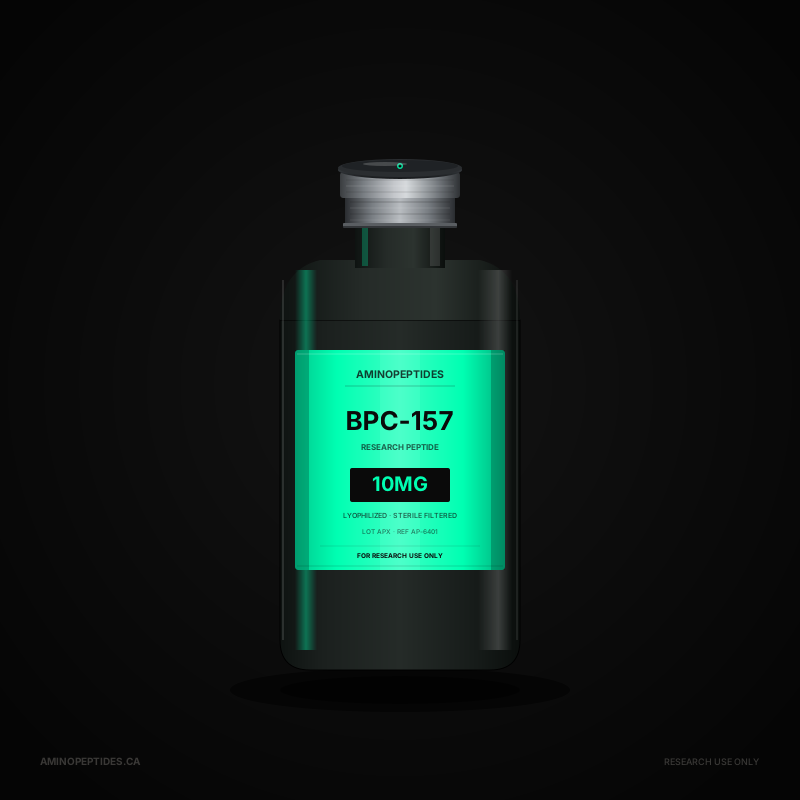
BPC-157 10 mg
$92.99 Add to cart -
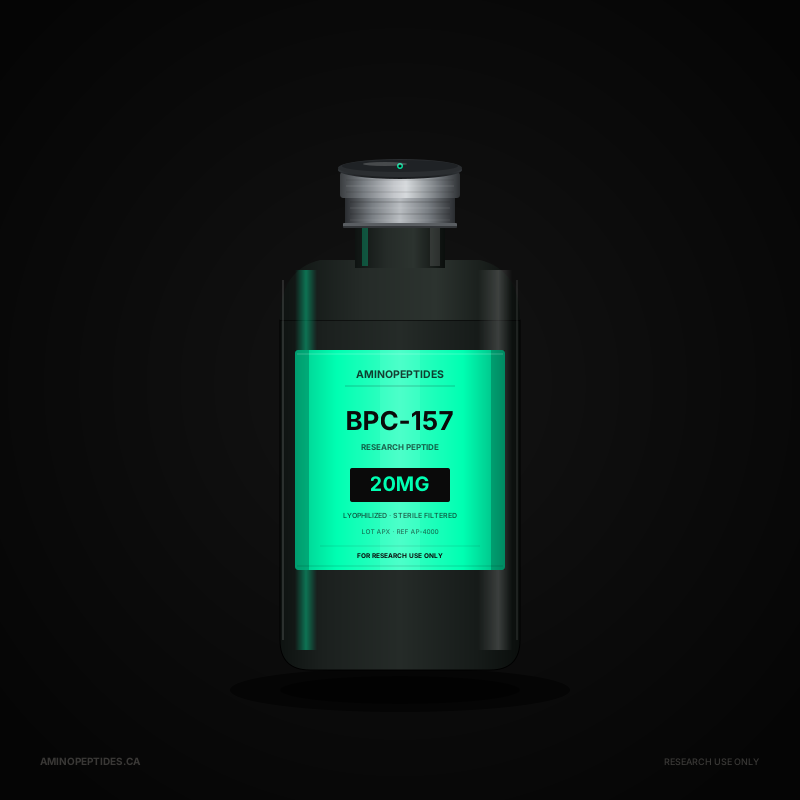
BPC-157 20 mg
$109.99 Add to cart -
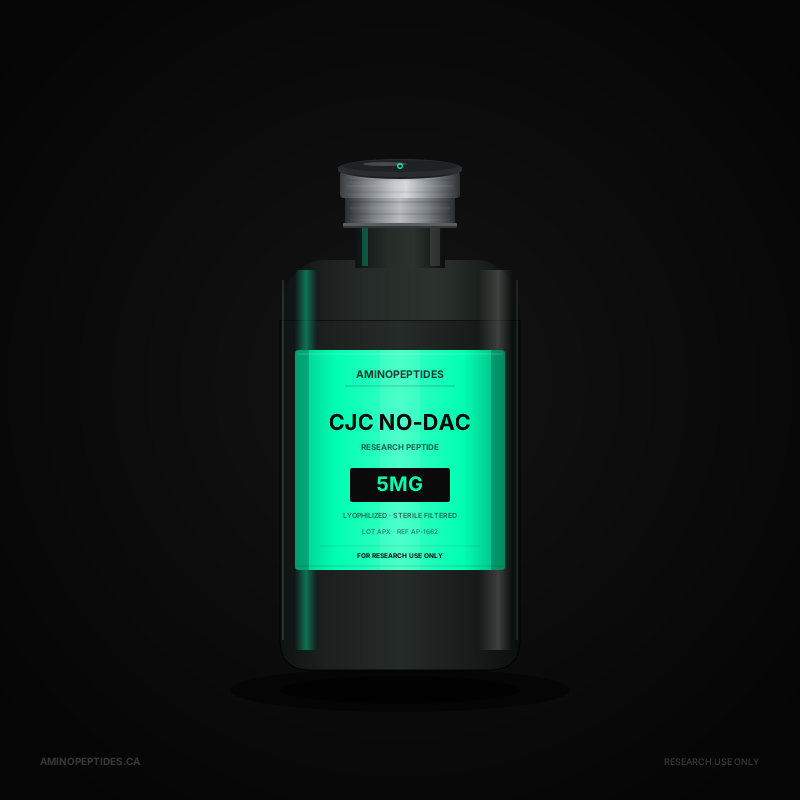
CJC-1295 (no DAC, standalone) 5 mg
$69.99 Add to cart -
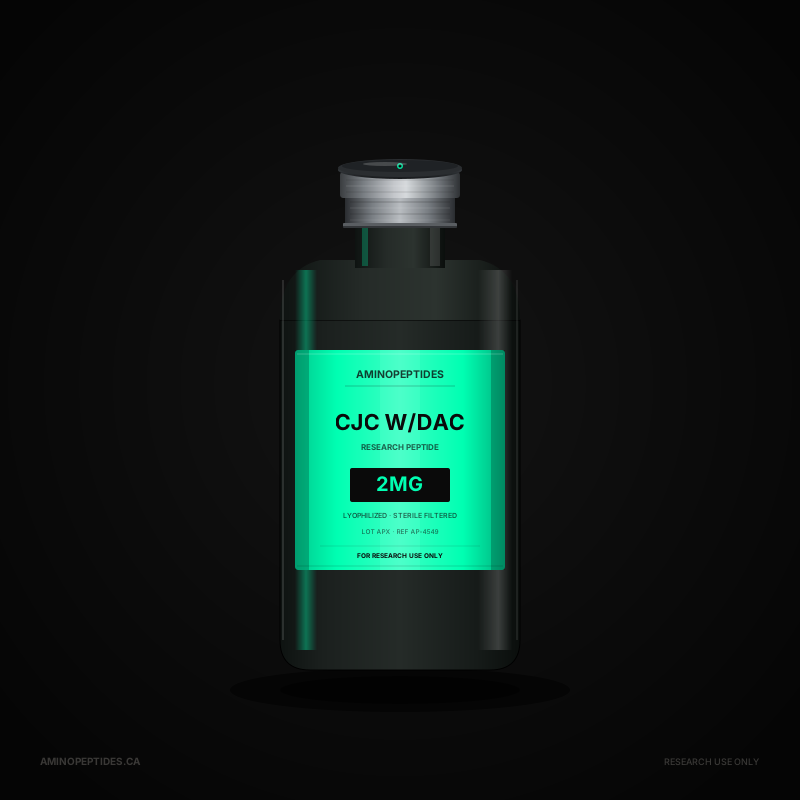
CJC-1295 (w/ DAC) 2 mg
$69.99 Add to cart -
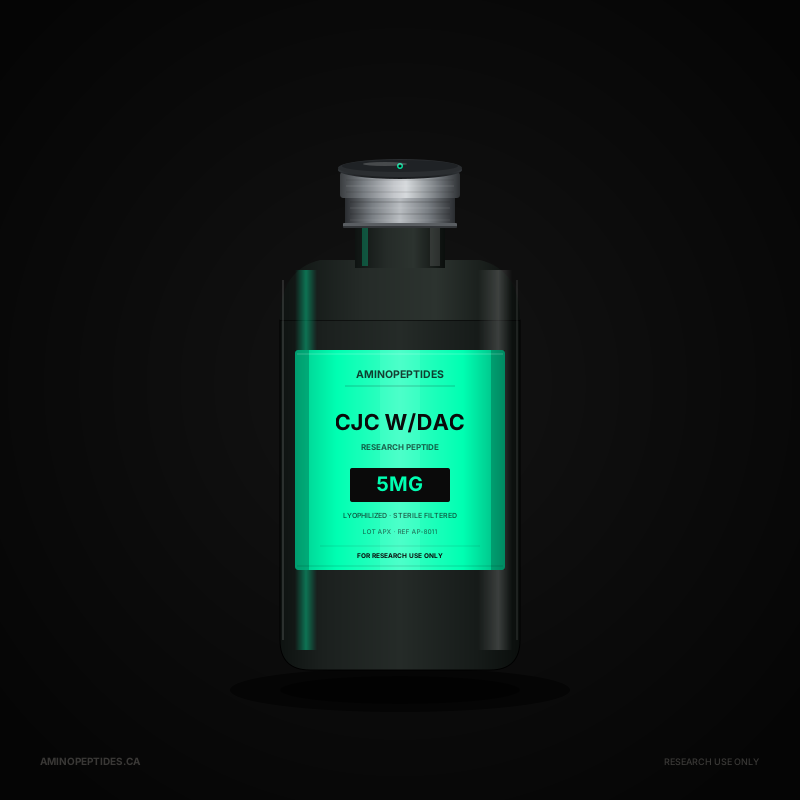
CJC-1295 (w/ DAC) 5 mg
$85.99 Add to cart -
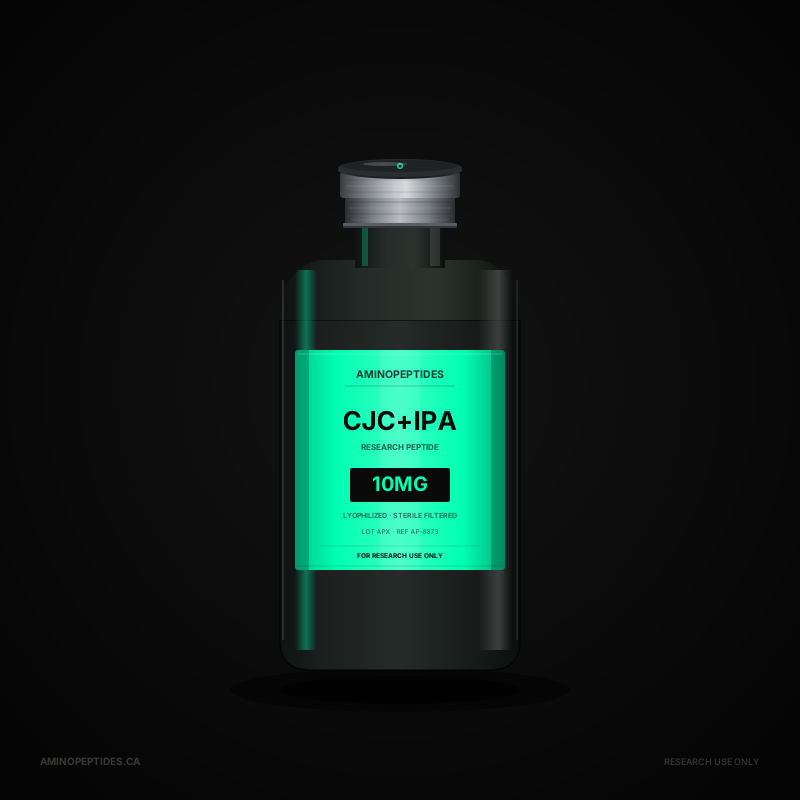
CJC-1295 + Ipamorelin (no DAC) 10 mg
$94.99 Add to cart -
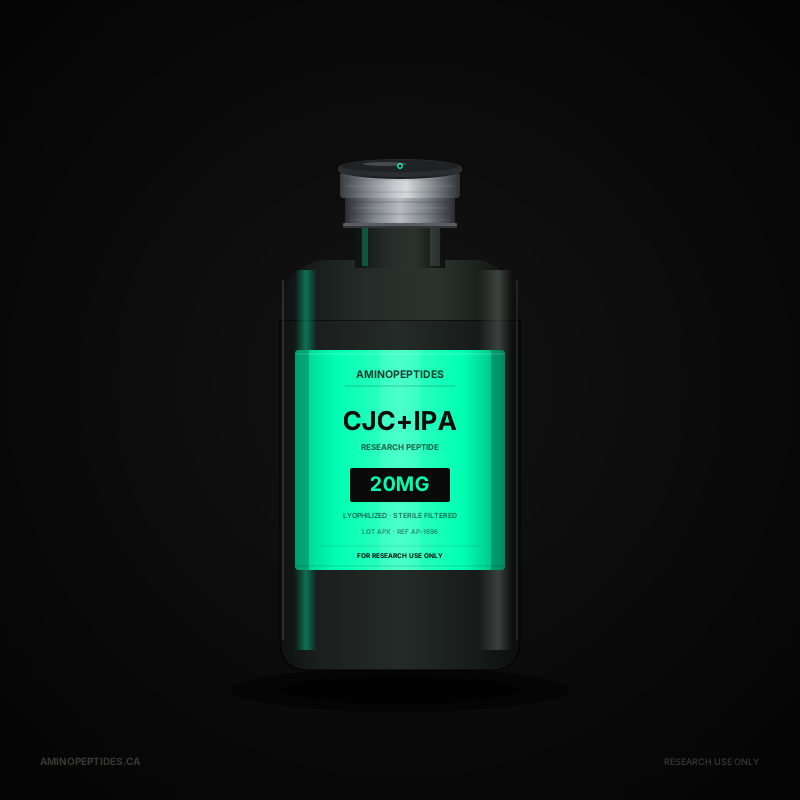
CJC-1295 + Ipamorelin (no DAC) 20 mg
$129.99 Add to cart -

Follistatin 344 1 mg
$149.99 Add to cart -
GHRP-2 5 mg
$69.99 Add to cart -
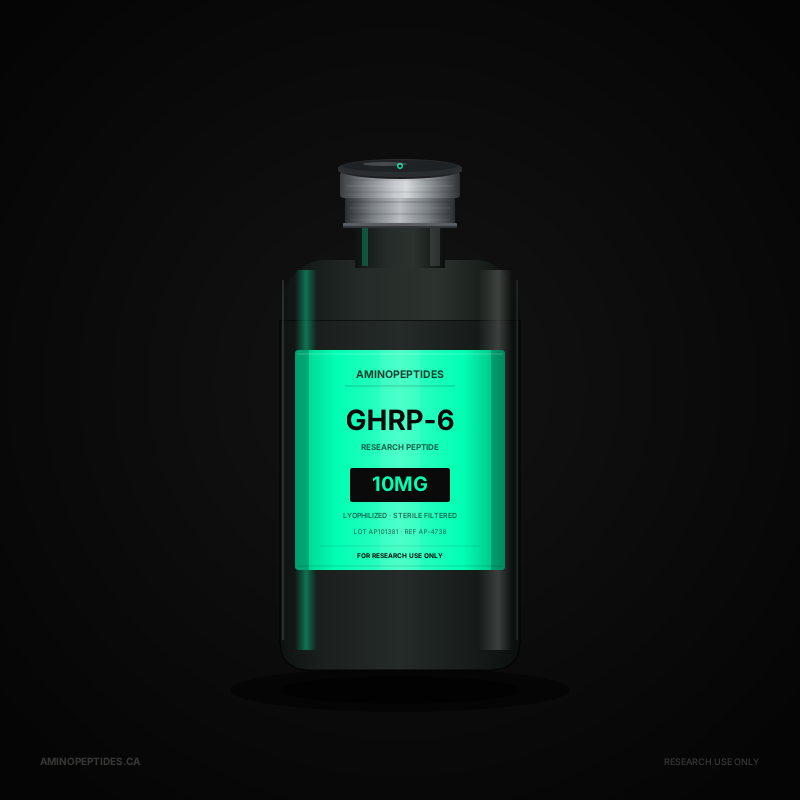
GHRP-6 10 mg
$59.99 Add to cart -
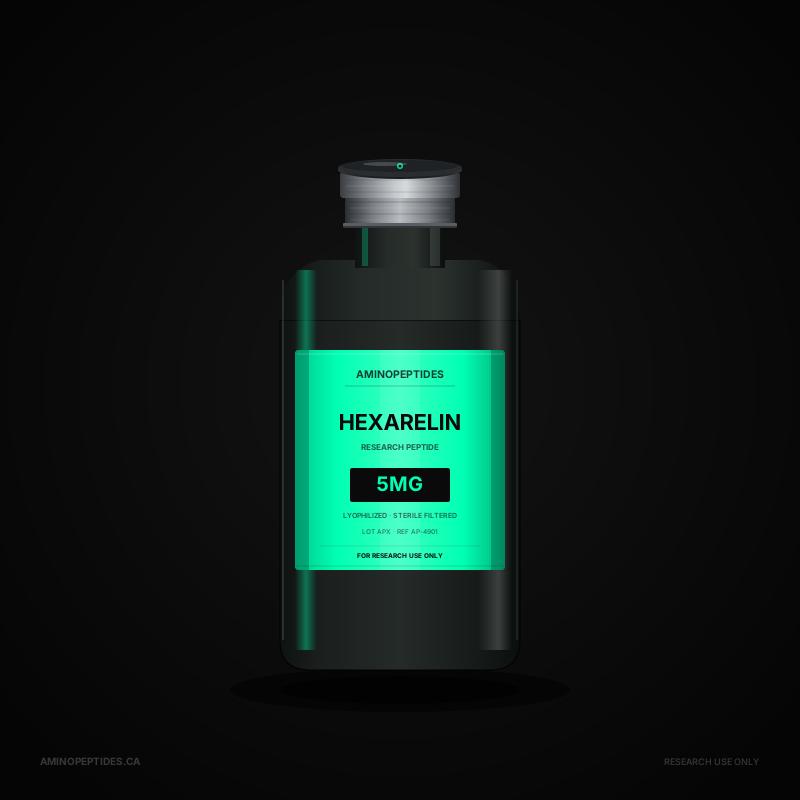
Hexarelin 5 mg
$99.99 Add to cart -
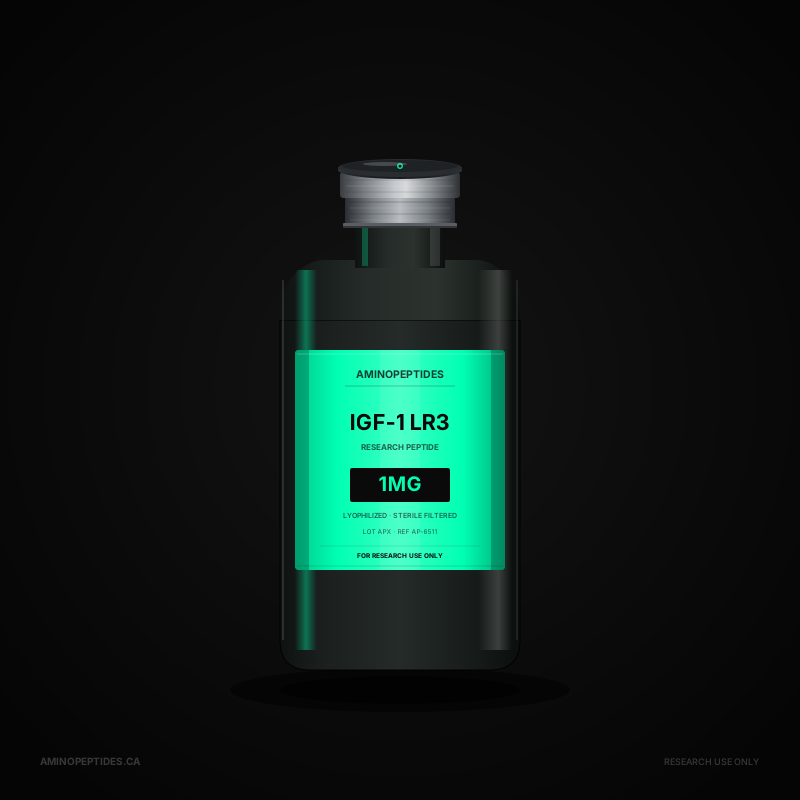
IGF-1 LR3 1 mg
$99.99 Add to cart -
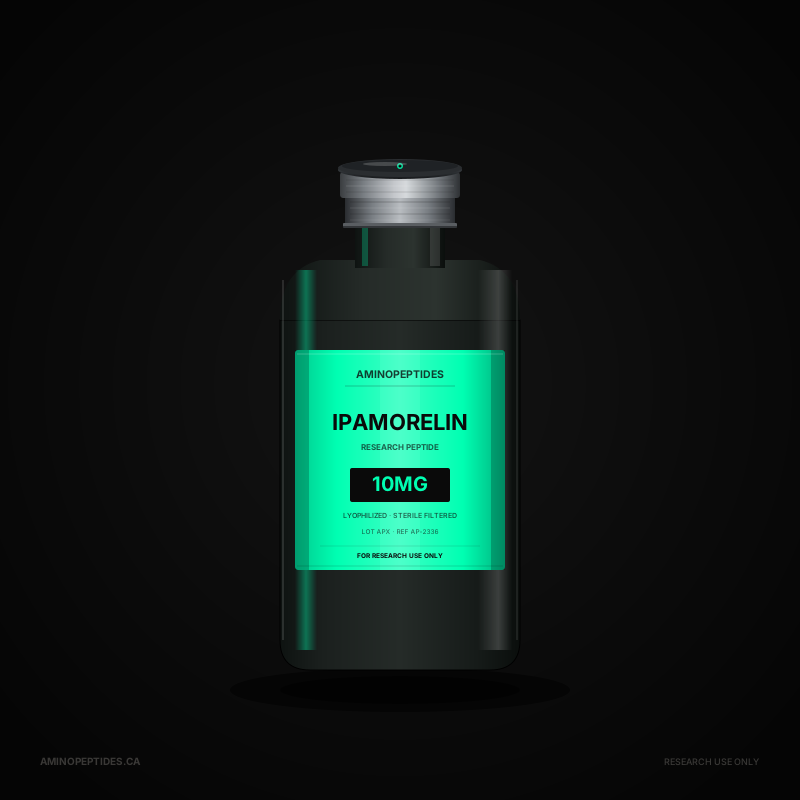
Ipamorelin 10 mg
$79.99 Add to cart -
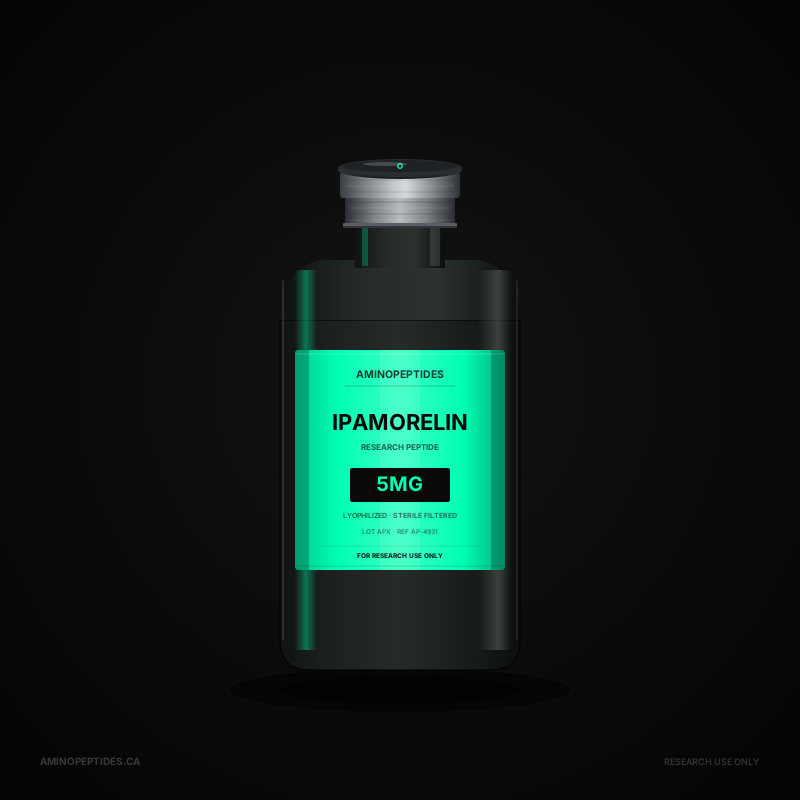
Ipamorelin 5 mg
$59.99 Add to cart -
Modified GRF (1-29) + Ipamorelin 10 mg
$94.99 Add to cart -
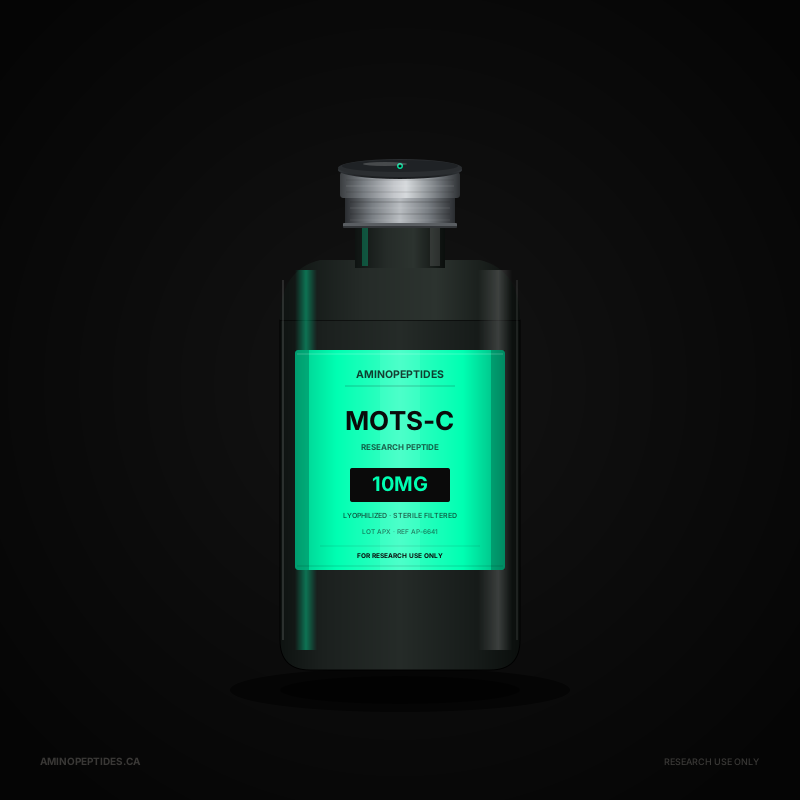
MOTS-c 10 mg
$64.99 Add to cart